extrait de musique
ORGAN #1
The Chapel of gladioli
In a side chapel, an oblique light highlights vases filled with gladioli.
Their fragrance carries an intimate memory, linked to specific seasons of life, to hands carefully arranging the flowers, and to a silence inhabited by anticipation. The organ music in this space recalls the moments of preparation of the church on Saturday afternoons, when I used to accompany my mother to clean the church.
The olfactory accord translates this moment through a slender, luminous floral note supported by a green, slightly earthy base that restores the chapel’s humidity and the fresh breath of stone. In that chapel, the gladiolus becomes an emblem of respect and elevation. Light, flower, and music align in a single movement that guides the space toward a higher dimension, where personal memory finds its fulfillment.
HARMONIC EVOLUTION
Subject: SAFFRON, EBONY, CYPROL
Counter-subject: ORANGE BLOSSOM, TUBEROSE, SUEDE
Tale: ELEMI, BERGAMOT, SMOKY ACCENTS

ORGAN #2
Easter Day wanes toward Vespers with a light that softens and, at the same time, intensifies, filtered through stained-glass windows and gathered upon the surfaces of the altar. The air still retains the echo of the morning celebrations; the candles burn with a steady flame, liturgical fabrics reflect warm glimmers, and the congregation waits.
The organ introduction breaks in with fullness and clarity, a compact sonic mass that expands through the naves and makes the stone itself vibrate. The entire church seems to take part in a shared proclamation, a joy that takes on sonic form and spreads with pride. Music, image, and scent converge into a single luminous expansion, celebrating the day of days with profound intensity.
HARMONIC EVOLUTION
Subject: OAKMOSS, INCENSE, STYRAX
Counter-subject: FUMENCES, LABDANUM, OUD
Coda: INCENSE, PINK PEPPER, LIME

ORGAN #3
The Engine Room
Beyond the choir loft, beyond the keyboards, there exists a space that rarely enters the field of vision: the engine room. The light is stark and functional; the surfaces bear the marks of use, and the air maintains a constant warmth. The scent of this environment speaks of metal, of heated dust, of oil slowly flowing through gears that keep the bellows, the organ’s “lungs”, under tension.
Before the sonic majesty, before the solemnity that fills the vaults, there exists a complex system of levers, turbines, and air ducts that generate pressure and transform energy into sound. Musical ecstasy originates from this intricate machine.
When the organ resounds in the church, the sound appears pure and transcendent, while here, in the engine room, one understands the genesis of that purity. The machinery works continuously, producing a deep, constant hum that forms the silent foundation of harmony. The music that rises toward the vaults finds its root in this physicality, in a forced breath that passes through metals and wood.
The organ reveals its dual nature: a complex machine and a voice capable of elevation. In this convergence lies a central truth of Filippo’s artistic research: spirit takes form through matter.
The engine room becomes a metaphor for the incarnation of sound.
HARMONIC EVOLUTION
Subject: CEDARWOOD, LEATHER, CYPRIOL
Counter-subject: ROSE, COPAHU, JASMINE
Coda: GRAPEFRUITE, THYME, CIVET

ORGAN #4
The polishing of reliquaries
Before a solemn celebration, the altar becomes a place of active concentration. The reliquaries are arranged with precision, lifted, examined against the light; the cloth moves across silver and gold surfaces in a slow, measured motion that restores matter to its luminous fullness. Light refracts on the metals, vibrates across the engravings, ignites warm reflections that converse with the flame of the candles.
The air becomes imbued with a subtle scent, metallic and slightly sweet, blending with the memory of incense and the softness of wax. Within this aroma, one perceives the care devoted to sacred objects, the desire to present them with dignity and splendour.
And the organ, in its own moment, supports this concentration with a restrained and clear sound. The notes unfold with precision, almost marking the rhythm of the polishing itself, enveloping the altar in a controlled vibration that amplifies the brilliance of the metals. The sound reflects upon the gilded surfaces, enhancing their radiance, creating a dialogue between sonic harmonics and visual reflections.
The fragrance interprets this respect and veneration through a luminous, radiant accord, in which a metallic tension softens into a balsamic and amber sweetness that recalls the warmth of candles and the depth of the nave.
HARMONIC EVOLUTION
Subject: LATEX, AMBERED WOODS, OAKWOOD
Counter-subject: PEONY, IRIS, BRASS
Coda: MANDARIN, CARDAMOM, BLACK PEPPER

ORGAN #5
The Saturday afternoon of childhood
As a child, Filippo sits at the keyboards while his mother washes the church rugs. Saturday afternoons hold a particular light, lower and more golden, capable of stretching shadows along the nave and softening the stone to the eye. The church is empty; only the sound of flowing water can be heard, the firm movement of hands, and the scent of laundry spreading through the still-warm air.
Seated at the keyboards, the child perceives that the organ’s sound alters space. The notes rise slowly and deliberately, moving through air infused with soap, resting on carpets laid out to dry, some hanging over railings just outside the main entrance. Sound and scent brush against the columns and return with a gentler resonance. The church takes on both a domestic and solemn character; the vibration of music blends with the smell of cleanliness, transforming humble work into a silent ritual.
Through this experience, Filippo learns that material care and the pursuit of beauty belong to the same horizon.
HARMONIC EVOLUTION
Subject: IVORY, CISTUS, BLACK AMBER
Counter-subject: GURJUM, CYPRIOL
Coda: CYPRESS, CLOVES, GERANIUM

ORGAN #6
The great blue stained-glass windows of Notre-Dame Cathedral diffuse a light that
possesses density and depth, a light that gathers along the nave and transforms stone into
a vibrating surface. The colour descends from above with an almost fluid quality,
enveloping the pillars, spreading across the floor, immersing the entire space in a
contemplative tone that suspends time.
Blue becomes atmosphere. Sculpted figures, capitals, and vault ribs acquire new definition
through this chromatic irradiation that unifies and guides the gaze. The cathedral appears
as an organism immersed in a silent sea, traversed by a light that suggests metaphysical
depth and introspection.
In this context, the organ assumes an enveloping and majestic timbre. The low
frequencies establish a broad and stable foundation. Light and music converge into a
single immersive experience.
To wear this extrait is to enter that blue and speak with it, to perceive its sonic vibration
and olfactory density. The fragrance restores the sensation of immersion in an architecture
of light and sound, where colour, music, and scent cooperate in the construction of a total
contemplative experience. The blue becomes inner space, and the organ reveals its
vastness with a resonance that unites sky and stone in a single harmony.
HARMONIC EVOLUTION
Subject: SAGE, SANDALWOOD, CISTUS
Counter-subject: NUTMEG, JUNIPER BERRIES, LAVENDER
Coda: BERGAMOT, MANDARIN, LEMON LEAF

ORGAN #7
Organ and bells for a newborn
At the end of a funeral mass dedicated to a newborn, the church enters a moment of absolute suspension. The air retains the warmth of gathered bodies, and silence stretches through the nave with an almost tangible density. Then the organ begins a measured chant, at once grave and luminous, a sonic fabric that receives grief and gently directs it toward a higher form.
The music rises slowly, sustaining the assembly and lending the farewell a composed solemnity. Everything acquires a dignity that orders emotion and leads it toward a wider dimension. In that moment, the bells join the inner sound of the organ, expanding its resonance beyond the walls. The bronze reverberates into the city air, carrying the announcement of a loss and, at the same time, of a hope, blending urban life with the breath of ritual.
The sacred building becomes a resonant body of collective emotion. Vibration passes through stone, spreads along the streets, and rises toward the sky in a sound wave that unites earth and height within an acoustic landscape where sorrow finds harmonic form.
Pain transforms into prayer, and fragility opens itself to transcendence. The fragrance preserves the echo of softness, the sound holds emotion and transfigures it into a suspended trail between earth and eternity, where memory, music, and light align in a single movement of elevation.
HARMONIC EVOLUTION
Subject: OAKMOSS, MUSK
Counter-subject: FUMENCES, MYRRH
Coda: POWDER, COCONUT MILK

-
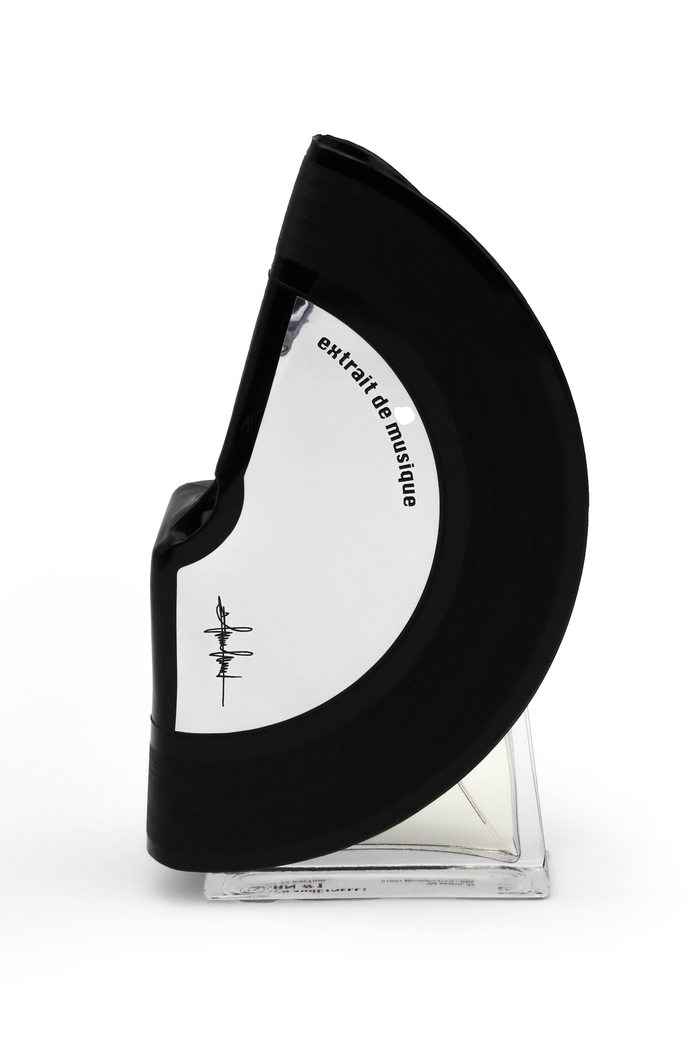
ORGAN #1
The Chapel of Gladioli In a side chapel, an oblique light highlights the vases filled with gladioli. Their fragrance carries with it an intimate memory, tied to specific seasons of life, to hands carefully arranging flowers, and to a silence inhabited by expectation. The sound of the organ in this space recalls the moments when the church was prepared on Saturday afternoons, when I accompanied my mother as she cleaned the church. The olfactory accord translates this moment through a luminous, soaring floral note sustained by a green and slightly earthy base that evokes the dampness of the chapel and the cool breath of stone. In that chapel, the gladiolus becomes an emblem of respect and elevation. Light, flower, and music come together in a single movement that guides the space toward a higher dimension, where personal memory finds its fulfillment.Buy -
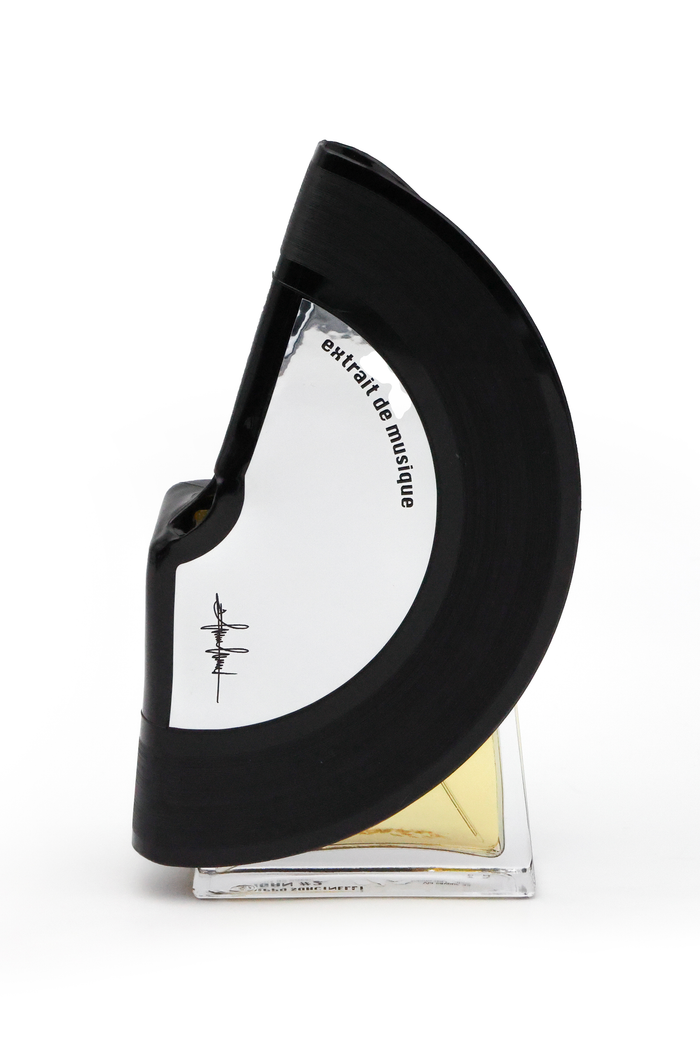
ORGAN #2
Easter Day declines toward Vespers with a light that softens and at the same time intensifies, filtered through the stained-glass windows and gathered upon the surfaces of the altar. The air still holds the resonance of the morning celebrations; the candles burn with a steady flame, the liturgical fabrics reflect warm glimmers, the congregation waits. The introduction of the organ breaks forth with fullness and clarity, a compact mass of sound expanding through the nave and making the stone itself vibrate, and the entire church seems to partake in a shared proclamation, a joy taking on sonic form and spreading with solemn pride. Music, image, and olfaction converge in a single luminous expansion that celebrates the day of all days with profound intensity.Buy -

ORGAN #3
The Engine Room Beyond the choir loft, beyond the keyboards, there exists a space that rarely enters one’s gaze: the engine room. The light is harsh and functional; the surfaces bear the marks of use, and the air holds a constant warmth. The smell of this environment speaks of metal, of heated dust, of oil slowly coursing through the mechanisms and keeping the bellows — the “lungs” of the organ — under tension. Before the sonic majesty, before the solemnity that fills the vaults, there exists a complex system of levers, turbines, and air ducts that generate pressure and transform energy into sound. Musical ecstasy originates from this intricate machinery. When the organ resounds in the church, the sound appears pure and transcendent, while here, among the engines, one understands the genesis of that purity. The machines work continuously, producing a deep and constant hum that forms the silent foundation of harmony. The music ascending toward the vaults finds its roots in this physicality, in this forced breath moving through metal and wood. The organ reveals itself in its dual nature: a complex machine and a voice capable of elevation. In this convergence emerges a central truth of Filippo’s artistic research: spirit takes form through matter. The engine room becomes a metaphor for the incarnation of sound.Buy -

ORGAN #4
The Polishing of the Reliquaries Before a solemn celebration, the altar is transformed into a place of focused activity. The reliquaries are arranged with precision, lifted, examined against the light; the cloth glides over the silver and gold surfaces with a slow and measured movement that restores the material to its luminous fullness. Light refracts upon the metals, vibrates across the engravings, igniting warm reflections that converse with the flame of the candles. The air becomes imbued with a subtle scent, metallic and faintly sweet, blending with the memory of incense and the softness of wax. Within this fragrance one perceives the care devoted to the sacred object, the desire to present it with dignity and splendor. And the organ, in its moment, sustains this concentration with a restrained and limpid sound. The notes unfold with clarity, almost marking the rhythm of the polishing, enveloping the altar in a controlled vibration that amplifies the brilliance of the metals. The sound reflects upon the gilded surfaces, enhancing their radiance and creating a dialogue between sonic harmonics and visual reflections. The fragrance interprets this sense of respect and veneration through a luminous and radiant accord, in which a metallic tension softens into a balsamic and amber warmth recalling the glow of candles and the depth of the nave.Buy -

ORGAN #5
The Saturday afternoon of childhood As a child, Filippo sat at the keyboards while his mother washed the church carpets. Saturday afternoons possessed a particular light, lower and golden, capable of stretching shadows along the nave and making the stone appear softer to the eye. The church was empty; only the sound of running water could be heard, the steady movement of working hands, and the scent of freshly laundered fabric spreading through the still-warm air. Seated before the keyboards, the child sensed that the sound of the organ transformed the space. The notes rose slowly and deliberately, passing through the air scented with soap, settling upon the carpets laid out to dry, some hanging over the railings just outside the main door. Sound and fragrance brushed against the columns and returned with a gentler resonance. The church took on a character both domestic and solemn; the vibration of the music mingled with the smell of cleanliness and transformed humble labor into a silent ritual. Through this experience, Filippo learned that material care and the pursuit of beauty belong to the same horizon.Buy -
ORGAN #6
The large blue stained-glass windows of Notre-Dame Cathedral diffuse a light that possesses density and depth, a light that gathers along the nave and transforms the stone into a vibrating surface. The colour descends from above with an almost fluid quality, envelops the pillars, spreads across the floor, immersing the entire space in a contemplative tone that suspends time. Blue becomes atmosphere. The sculpted figures, the capitals, the ribbed vaults acquire a new definition through this chromatic irradiation that unifies and guides the gaze. The cathedral appears as an organism immersed in a silent sea, traversed by a light that suggests metaphysical depth and recollection. In this context, the organ takes on an enveloping and majestic timbre. The low frequencies establish a broad and stable foundation. Light and music converge into a single immersive experience. To wear this extract is to enter that blue and speak with it, to perceive its sonic vibration and olfactory density. The fragrance restores the sensation of immersion in an architecture of light and sound, where colour, music, and scent cooperate in the construction of a total contemplative experience. The blue becomes inner space, and the organ reveals its grandeur with a resonance that unites sky and stone in a single harmony.Buy -
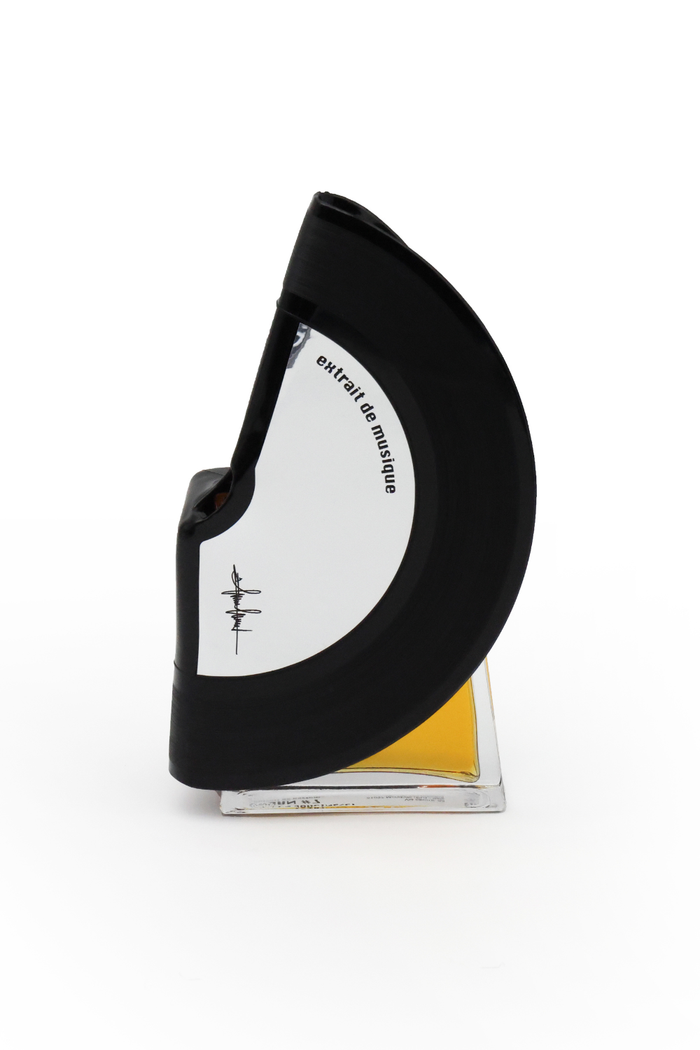
ORGAN #7
Organ and Bells for a Newborn At the end of a funeral mass dedicated to a newborn, the church experiences a moment of absolute suspension. The air retains the warmth of gathered bodies; silence stretches through the nave with an almost tangible density. Then the organ begins a measured chant, at once grave and clear, a sonic fabric that receives sorrow and guides it toward a higher form. The music rises slowly, sustaining the assembly, lending the farewell a composed solemnity. Everything acquires a dignity that orders emotion and leads it toward a broader dimension. In that moment, the bells join the inner sound of the organ, expanding its emotion beyond the walls. The bronze resonates through the city air, announcing a loss and at the same time a hope, blending urban life with the breath of ritual. The sacred building becomes a resonating body for a collective emotion. The vibration passes through stone, spreads along the streets, and ascends toward the sky in a sonic wave that unites earth and height within an acoustic landscape where grief finds a harmonic form. Pain is transformed into prayer, and fragility opens itself to transcendence. The fragrance preserves an echo of softness; the sound holds emotion and transfigures it into a trail suspended between earth and eternity, where memory, music, and light converge in a single movement of elevation.Buy -
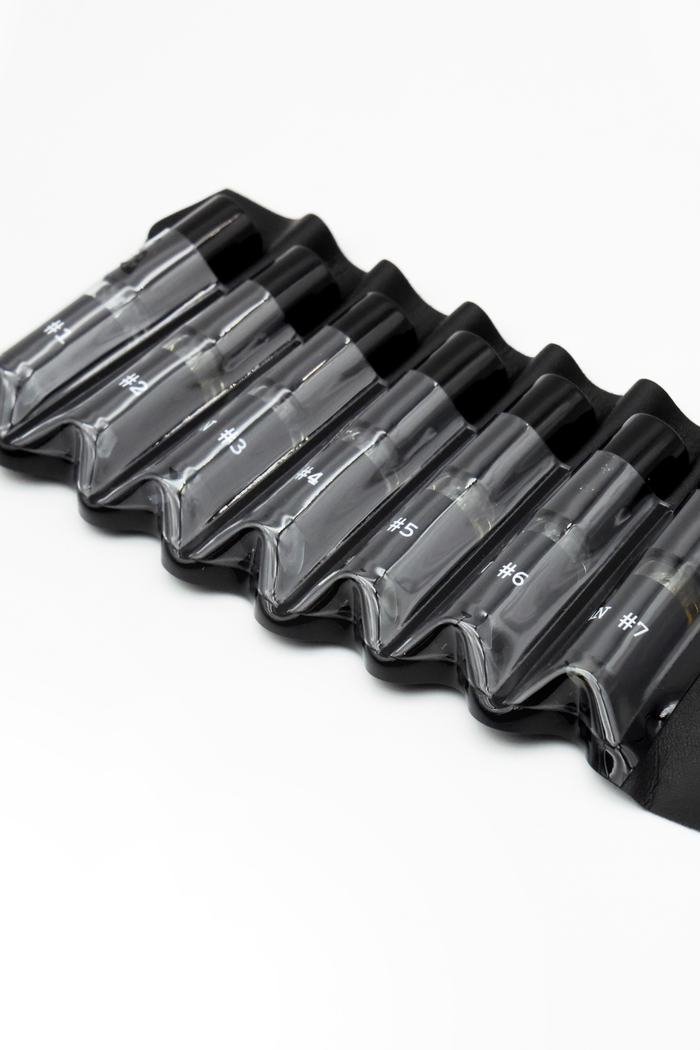
CARTRIDGE
Discovery set containing the 7 fragrances from the new Extrait de Musique collection in 2 ml format. ORGAN #1 ORGAN #2 ORGAN #3 ORGAN #4 ORGAN #5 ORGAN #6 ORGAN #7Buy
