extrait de musique
ORGAN #1
The Chapel of gladioli
In a side chapel, an oblique light highlights vases filled with gladioli.
Their fragrance carries an intimate memory, linked to specific seasons of life, to hands carefully arranging the flowers, and to a silence inhabited by anticipation. The organ music in this space recalls the moments of preparation of the church on Saturday afternoons, when I used to accompany my mother to clean the church.
The olfactory accord translates this moment through a slender, luminous floral note supported by a green, slightly earthy base that restores the chapel’s humidity and the fresh breath of stone. In that chapel, the gladiolus becomes an emblem of respect and elevation. Light, flower, and music align in a single movement that guides the space toward a higher dimension, where personal memory finds its fulfillment.
HARMONIC EVOLUTION
Subject: SAFFRON, EBONY, CYPROL
Counter-subject: ORANGE BLOSSOM, TUBEROSE, SUEDE
Tale: ELEMI, BERGAMOT, SMOKY ACCENTS

ORGAN #2
Easter Day wanes toward Vespers with a light that softens and, at the same time, intensifies, filtered through stained-glass windows and gathered upon the surfaces of the altar. The air still retains the echo of the morning celebrations; the candles burn with a steady flame, liturgical fabrics reflect warm glimmers, and the congregation waits.
The organ introduction breaks in with fullness and clarity, a compact sonic mass that expands through the naves and makes the stone itself vibrate. The entire church seems to take part in a shared proclamation, a joy that takes on sonic form and spreads with pride. Music, image, and scent converge into a single luminous expansion, celebrating the day of days with profound intensity.
HARMONIC EVOLUTION
Subject: OAKMOSS, INCENSE, STYRAX
Counter-subject: FUMENCES, LABDANUM, OUD
Coda: INCENSE, PINK PEPPER, LIME

ORGAN #3
The Engine Room
Beyond the choir loft, beyond the keyboards, there exists a space that rarely enters the field of vision: the engine room. The light is stark and functional; the surfaces bear the marks of use, and the air maintains a constant warmth. The scent of this environment speaks of metal, of heated dust, of oil slowly flowing through gears that keep the bellows, the organ’s “lungs”, under tension.
Before the sonic majesty, before the solemnity that fills the vaults, there exists a complex system of levers, turbines, and air ducts that generate pressure and transform energy into sound. Musical ecstasy originates from this intricate machine.
When the organ resounds in the church, the sound appears pure and transcendent, while here, in the engine room, one understands the genesis of that purity. The machinery works continuously, producing a deep, constant hum that forms the silent foundation of harmony. The music that rises toward the vaults finds its root in this physicality, in a forced breath that passes through metals and wood.
The organ reveals its dual nature: a complex machine and a voice capable of elevation. In this convergence lies a central truth of Filippo’s artistic research: spirit takes form through matter.
The engine room becomes a metaphor for the incarnation of sound.
HARMONIC EVOLUTION
Subject: CEDARWOOD, LEATHER, CYPRIOL
Counter-subject: ROSE, COPAHU, JASMINE
Coda: GRAPEFRUITE, THYME, CIVET

ORGAN #4
The polishing of reliquaries
Before a solemn celebration, the altar becomes a place of active concentration. The reliquaries are arranged with precision, lifted, examined against the light; the cloth moves across silver and gold surfaces in a slow, measured motion that restores matter to its luminous fullness. Light refracts on the metals, vibrates across the engravings, ignites warm reflections that converse with the flame of the candles.
The air becomes imbued with a subtle scent, metallic and slightly sweet, blending with the memory of incense and the softness of wax. Within this aroma, one perceives the care devoted to sacred objects, the desire to present them with dignity and splendour.
And the organ, in its own moment, supports this concentration with a restrained and clear sound. The notes unfold with precision, almost marking the rhythm of the polishing itself, enveloping the altar in a controlled vibration that amplifies the brilliance of the metals. The sound reflects upon the gilded surfaces, enhancing their radiance, creating a dialogue between sonic harmonics and visual reflections.
The fragrance interprets this respect and veneration through a luminous, radiant accord, in which a metallic tension softens into a balsamic and amber sweetness that recalls the warmth of candles and the depth of the nave.
HARMONIC EVOLUTION
Subject: LATEX, AMBERED WOODS, OAKWOOD
Counter-subject: PEONY, IRIS, BRASS
Coda: MANDARIN, CARDAMOM, BLACK PEPPER

ORGAN #5
The Saturday afternoon of childhood
As a child, Filippo sits at the keyboards while his mother washes the church rugs. Saturday afternoons hold a particular light, lower and more golden, capable of stretching shadows along the nave and softening the stone to the eye. The church is empty; only the sound of flowing water can be heard, the firm movement of hands, and the scent of laundry spreading through the still-warm air.
Seated at the keyboards, the child perceives that the organ’s sound alters space. The notes rise slowly and deliberately, moving through air infused with soap, resting on carpets laid out to dry, some hanging over railings just outside the main entrance. Sound and scent brush against the columns and return with a gentler resonance. The church takes on both a domestic and solemn character; the vibration of music blends with the smell of cleanliness, transforming humble work into a silent ritual.
Through this experience, Filippo learns that material care and the pursuit of beauty belong to the same horizon.
HARMONIC EVOLUTION
Subject: IVORY, CISTUS, BLACK AMBER
Counter-subject: GURJUM, CYPRIOL
Coda: CYPRESS, CLOVES, GERANIUM

ORGAN #6
The great blue stained-glass windows of Notre-Dame Cathedral diffuse a light that
possesses density and depth, a light that gathers along the nave and transforms stone into
a vibrating surface. The colour descends from above with an almost fluid quality,
enveloping the pillars, spreading across the floor, immersing the entire space in a
contemplative tone that suspends time.
Blue becomes atmosphere. Sculpted figures, capitals, and vault ribs acquire new definition
through this chromatic irradiation that unifies and guides the gaze. The cathedral appears
as an organism immersed in a silent sea, traversed by a light that suggests metaphysical
depth and introspection.
In this context, the organ assumes an enveloping and majestic timbre. The low
frequencies establish a broad and stable foundation. Light and music converge into a
single immersive experience.
To wear this extrait is to enter that blue and speak with it, to perceive its sonic vibration
and olfactory density. The fragrance restores the sensation of immersion in an architecture
of light and sound, where colour, music, and scent cooperate in the construction of a total
contemplative experience. The blue becomes inner space, and the organ reveals its
vastness with a resonance that unites sky and stone in a single harmony.
HARMONIC EVOLUTION
Subject: SAGE, SANDALWOOD, CISTUS
Counter-subject: NUTMEG, JUNIPER BERRIES, LAVENDER
Coda: BERGAMOT, MANDARIN, LEMON LEAF

ORGAN #7
Organ and bells for a newborn
At the end of a funeral mass dedicated to a newborn, the church enters a moment of absolute suspension. The air retains the warmth of gathered bodies, and silence stretches through the nave with an almost tangible density. Then the organ begins a measured chant, at once grave and luminous, a sonic fabric that receives grief and gently directs it toward a higher form.
The music rises slowly, sustaining the assembly and lending the farewell a composed solemnity. Everything acquires a dignity that orders emotion and leads it toward a wider dimension. In that moment, the bells join the inner sound of the organ, expanding its resonance beyond the walls. The bronze reverberates into the city air, carrying the announcement of a loss and, at the same time, of a hope, blending urban life with the breath of ritual.
The sacred building becomes a resonant body of collective emotion. Vibration passes through stone, spreads along the streets, and rises toward the sky in a sound wave that unites earth and height within an acoustic landscape where sorrow finds harmonic form.
Pain transforms into prayer, and fragility opens itself to transcendence. The fragrance preserves the echo of softness, the sound holds emotion and transfigures it into a suspended trail between earth and eternity, where memory, music, and light align in a single movement of elevation.
HARMONIC EVOLUTION
Subject: OAKMOSS, MUSK
Counter-subject: FUMENCES, MYRRH
Coda: POWDER, COCONUT MILK

-
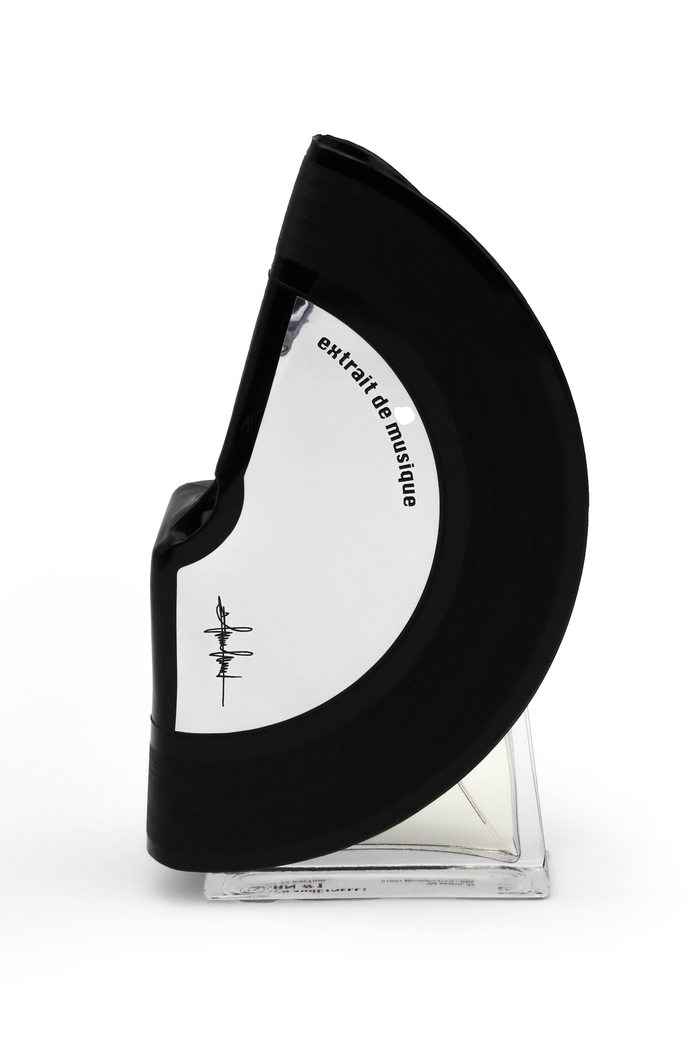
ORGAN #1
La cappella dei gladioli In una cappella laterale una luce obliqua evidenzia i vasi colmi di gladioli. Il suo profumo porta con sé un ricordo intimo, legato a stagioni precise della vita, a mani che dispongono i fiori con cura e a un silenzio abitato da attesa. La musica dell’organo in questo spazio ricorda i momenti di preparazione della chiesa al sabato pomeriggio, quando accompagnavo mia madre a pulire la chiesa. L’accordo olfattivo traduce questo momento attraverso una nota floreale slanciata e luminosa sostenuta da un fondo verde e lievemente terroso che restituisce l’umidità della cappella e il respiro fresco della pietra. In quella cappella il gladiolo diventa emblema di rispetto e di elevazione. Luce, fiore e musica si accordano in un unico movimento che conduce lo spazio verso una dimensione più alta, nella quale la memoria personale trova il suo compimento.Acquista -
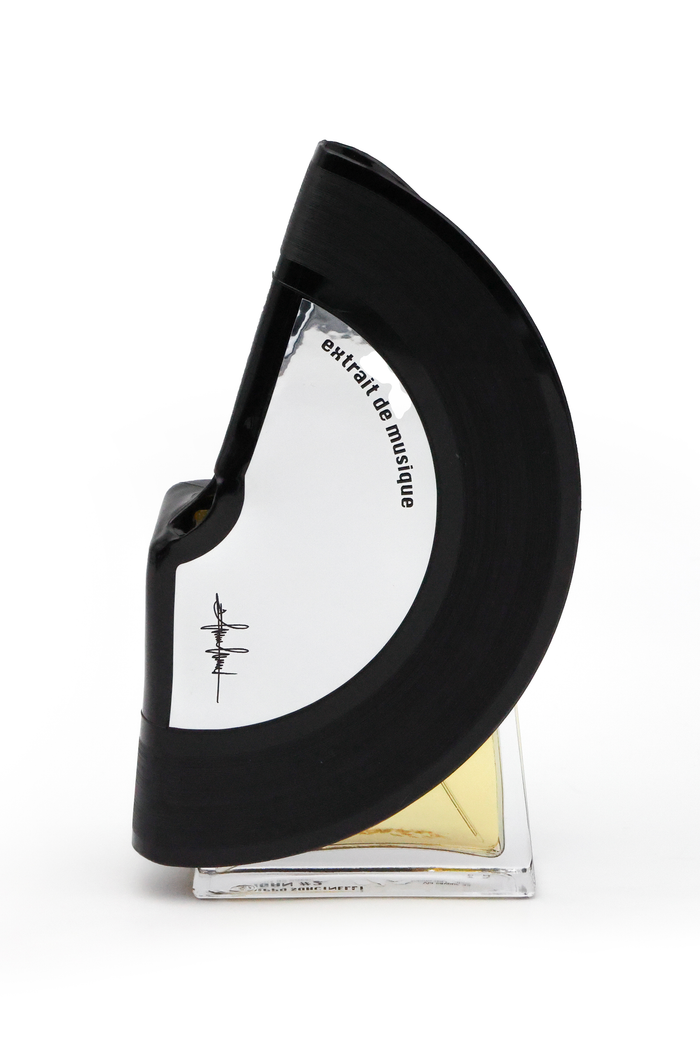
ORGAN #2
Il giorno di Pasqua declina verso il Vespro con una luce che si addolcisce e insieme si intensifica, filtrata dalle vetrate e raccolta sulle superfici dell’altare. L’aria conserva ancora il riverbero delle celebrazioni mattutine; le candele ardono con fiamma stabile, i tessuti liturgici riflettono bagliori caldi, l’assemblea attende. L’introduzione dell’organo irrompe con pienezza e chiarezza, una massa sonora compatta che si espande lungo le navate e fa vibrare la pietra stessa e l’intera chiesa sembra partecipare a una proclamazione comune, una gioia che assume forma sonora e si diffonde con fierezza. Musica, immagine e olfatto convergono in un’unica espansione luminosa che celebra il giorno dei giorni con grande intensità.Acquista -

ORGAN #3
La stanza dei motori Oltre la tribuna, oltre le tastiere, esiste uno spazio che raramente entra nello sguardo: la stanza dei motori. La luce è cruda e funzionale; le superfici portano i segni dell’uso, l’aria possiede un calore sempre costante. L’odore di questo ambiente parla di metallo, di polvere riscaldata, di olio che scorre lento negli ingranaggi e mantiene in tensione i mantici, i “polmoni” dell’organo. Prima della maestà sonora, prima della solennità che riempie le volte, esiste un sistema complesso di leve, turbine, condotti d’aria che generano pressione e trasformano l’energia in suono. L’estasi musicale trae origine da questa macchina complessa. Quando l’organo risuona in chiesa, il suono appare puro e trascendente mentre qui, tra i motori, si comprende la genesi di quella purezza. Le macchine lavorano con continuità, producono un ronzio grave e costante che costituisce la base silenziosa dell’armonia. La musica che ascende verso le volte trova la propria radice in questa fisicità, in questo respiro forzato che attraversa metalli e legni. L’organo si rivela nella sua doppia natura: macchina complessa e voce capace di elevazione. In questa convergenza si manifesta una verità centrale della ricerca artistica di Filippo: lo spirito prende forma attraverso la materia. La stanza dei motori diventa metafora dell’incarnazione del suono.Acquista -

ORGAN #4
La lucidatura dei reliquiari Prima di una celebrazione solenne l’altare si trasforma in un luogo di concentrazione operosa. I reliquiari vengono disposti con esattezza, sollevati, osservati controluce; il panno scorre sulle superfici d’argento e d’oro con un movimento lento e misurato che restituisce alla materia la sua pienezza luminosa. La luce si rifrange sui metalli, vibra sulle cesellature, accende riflessi caldi che dialogano con la fiamma delle candele. L’aria si impregna di un sentore sottile, metallico e appena dolce, che si unisce alla memoria dell’incenso e alla morbidezza della cera. In quell’odore si avverte la cura dedicata all’oggetto sacro, la volontà di presentarlo con dignità e splendore. E l’organo, nel suo momento, sostiene questa concentrazione con un suono raccolto e limpido. Le note si distendono con chiarezza, scandiscono quasi il tempo della lucidatura, avvolgono l’altare in una vibrazione controllata che amplifica la luce dei metalli. Il suono si riflette sulle superfici dorate, ne esalta la brillantezza, crea un dialogo tra armoniche sonore e i suoi riflessi visivi. La fragranza interpreta questo rispetto e questa venerazione attraverso un accordo luminoso e brillante, nel quale una tensione metallica si stempera in una dolcezza balsamica e ambrata che richiama il calore delle candele e la profondità delle navate.Acquista -

ORGAN #5
Il sabato pomeriggio dell’infanzia Da piccolo, Filippo siede alle tastiere mentre la madre lava i tappeti della chiesa. Il sabato pomeriggio possiede una luce particolare, più bassa e dorata, capace di distendere le ombre lungo le navate e di rendere la pietra più morbida allo sguardo. La chiesa è vuota; si avverte soltanto il rumore dell’acqua che scorre, il movimento deciso delle mani e il profumo del bucato che si diffonde nell’aria ancora tiepida. Seduto davanti alle tastiere, quel bambino percepisce che il suono dell’organo modifica lo spazio. Le note si alzano lente e misurate, attraversano l’aria impregnata di sapone, si appoggiano ai tappeti stesi ad asciugare, alcuni appesi sulle ringhiere appena fuori dalla porta principale. Suono ed odore sfiorano le colonne e tornano indietro con una risonanza più dolce. La chiesa assume un carattere domestico e insieme solenne; la vibrazione della musica si mescola all’odore del pulito e trasforma il lavoro umile in un rito silenzioso. Filippo apprende, attraverso quella esperienza, che la cura materiale e la ricerca della bellezza appartengono a un medesimo orizzonte.Acquista -
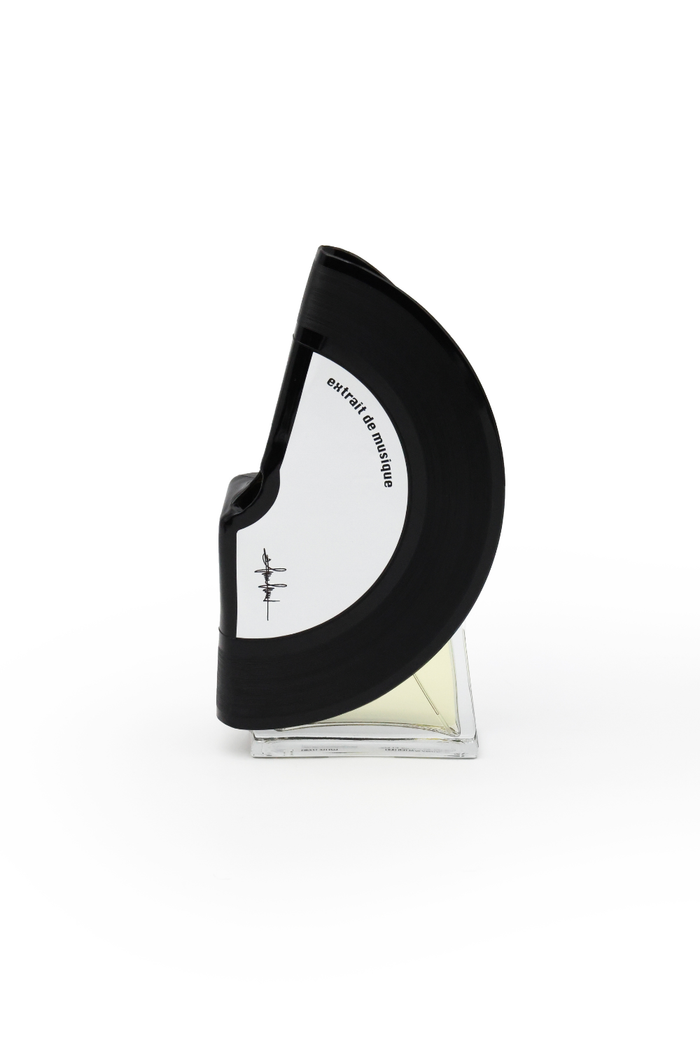
ORGAN #6
Le grandi vetrate blu della Cattedrale di Notre-Dame diffondono una luce che possiede densità e profondità, una luce che si raccoglie sulle navate e trasforma la pietra in superficie vibrante. Il colore discende dall’alto con una qualità quasi fluida, avvolge i pilastri, si distende lungo il pavimento, immerge l’intero spazio in una tonalità contemplativa che sospende il tempo. Il blu diventa atmosfera. Le figure scolpite, i capitelli, le nervature delle volte ricevono una nuova definizione grazie a questa irradiazione cromatica che unifica e orienta lo sguardo. La cattedrale appare come un organismo immerso in un mare silenzioso, attraversato da una luce che suggerisce profondità metafisica e raccoglimento. In questo contesto l’organo assume un timbro avvolgente e maestoso. Le frequenze gravi fondano una base ampia e stabile. Luce e musica convergono in un’unica esperienza immersiva. Indossare questo estratto significa entrare in quel blu e parlare con lui, percepirne la vibrazione sonora e la densità olfattiva. La fragranza restituisce la sensazione di immersione in un’architettura di luce e di suono, dove colore, musica e odore cooperano nella costruzione di un’esperienza contemplativa totale. Il blu diventa spazio interiore e l’organo ne rivela la grandezza con una risonanza che unisce cielo e pietra in una stessa armonia.Acquista -
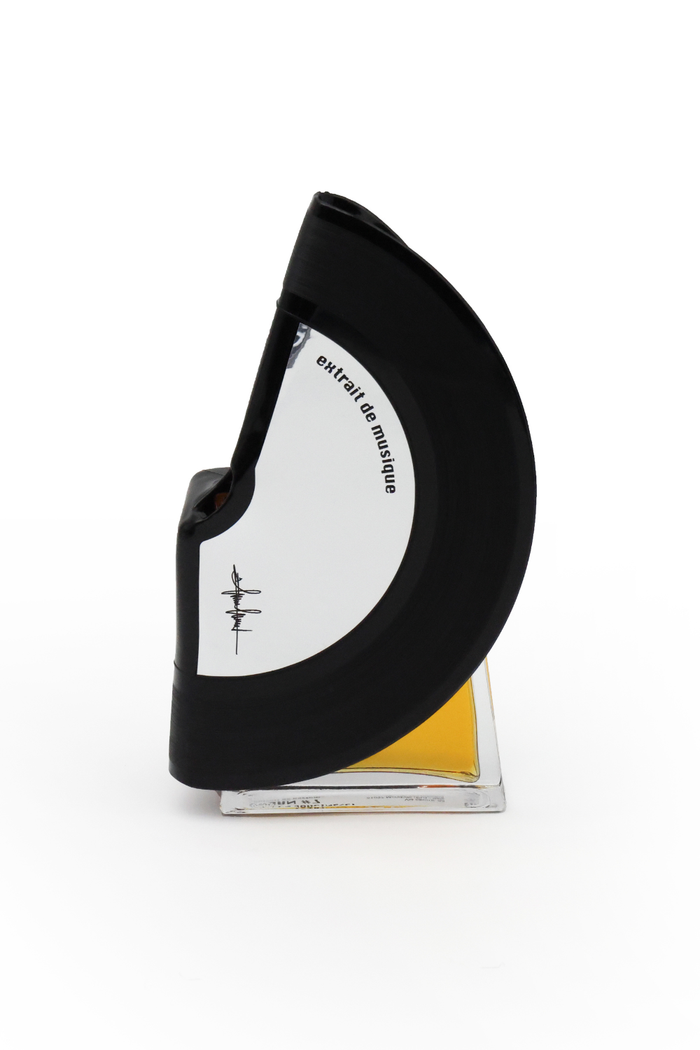
ORGAN #7
Organo e campane per un neonato Al termine di una messa funebre dedicata a un neonato, la chiesa vive un istante di sospensione assoluta. L’aria conserva il calore dei corpi raccolti, il silenzio si distende tra le navate con una densità quasi palpabile. Poi l’organo avvia un canto misurato, grave e limpido insieme, un tessuto sonoro che accoglie il dolore e lo orienta verso una forma più alta. La musica si solleva con lentezza, sostengono l’assemblea, conferiscono al saluto una solennità composta. Tutto assume una dignità che ordina l’emozione e la conduce verso una dimensione più ampia. In quel momento le campane si uniscono al suono interno dell’organo e ne ampliano l’emozione oltre le mura. Il bronzo risuona nell’aria della città, diffonde l’annuncio di una perdita e insieme di una speranza, mescola la vita urbana con il respiro del rito. L’edificio sacro si trasforma in cassa di risonanza di una commozione collettiva. La vibrazione attraversa la pietra, si propaga lungo le strade, sale verso il cielo con un’onda sonora che unisce terra e altezza in un paesaggio acustico nel quale il dolore trova una forma armonica. Il dolore si trasforma in preghiera e la fragilità si apre alla trascendenza. Il profumo conserva l’eco della morbidezza, il suono trattiene la commozione e la trasfigura in una scia sospesa tra terra ed eternità, dove memoria, musica e luce si accordano in un unico movimento di elevazione.Acquista -

CARTUCCERA
Cartuccera con le 7 fragranze dei nuovi Extrait de Musique in formato 2ml. ORGAN #1 ORGAN #2 ORGAN #3 ORGAN #4 ORGAN #5 ORGAN #6 ORGAN #7Acquista
